Also known as American larch, tamaracks are conifers meaning they produce cones but they differ from other conifers in a very distinctive manner. Tamaracks shed their needles in late autumn, not long after deciduous trees such as maples and oaks do..
Keeping this in consideration, is a Tamarack a pine tree?
Tamarack (Larix laricina), also known as American larch, is a very unique member of the pine family — one that loses its needles in fall. Tamarack has a narrow trunk that is covered with thin, gray bark on younger trees and red-brown, scaly bark on older trees.
Beside above, how do I identify a tamarack tree? Identification of the Tamarack: A member of the Pine Family, the Tamarack is a slender-trunked, conical tree, with green deciduous needles, about one inch long. The needles of the Tamarack are produced in clusters of ten to twenty. They are attached to the twigs in tight spirals around short spur branches.
In this regard, what is the difference between a larch tree and a tamarack tree?
Montana's Deciduous Conifers They call it Larch. They're the same genus, larix, but different species. Western Larch is Larix occidentalis, while Tamarack is Larix laricina.
What is the tamarack tree used for?
Common Uses: Snowshoes, utility poles, posts, rough lumber, boxes/crates, and paper (pulpwood). Comments: Tamarack is a word from the native Abenaki language, which simply means “wood used for snowshoes.”
Related Question Answers
Do deer eat tamarack trees?
Tamarack habitats are used by a variety of wildlife species. It provides cover from summer heat for bear, deer and moose, but is browsed by relatively few species. Snowshoe hares feed on twigs and bark, and porcupines feed on the inner bark. Spruce grouse and sharp-tailed grouse eat the needles and buds.Is Tamarack a hard or soft wood?
Tamarack is a softwood species that belongs to the Pinacea family. At the age of 30, this resinous species can yield up to 194 m³/ha. Its virtually rot-proof wood is ideal for outdoor use, not only as shingles, but also for patio furniture and decks.How fast does a tamarack tree grow?
Correctly planted, tamaracks are the fastest growing boreal conifers for their first 50 years. Expect your tree to live between 200 and 300 years. Care for tamarack trees is easy, once they are correctly established.Will pine tree needles grow back?
For all the benefits pine trees can offer, they also suffer from their share of problems. One of the most common and most vexing is when your pine tree starts losing its needles. Unlike the leaves on deciduous trees, pine trees never regrow their needles. If the tree loses too many, it won't be able to survive.What does a Tamarack look like?
Tamarack Tree. The stems of the numerous branches are yellowish brown, giving the tree a more than acceptable appearance even without needles. The needles, borne in bundles, are soft and blue-green in color, turning yellow in fall. Its cones are small and egg-shaped.Where are tamarack trees found?
It is mostly found in cool, temperate areas and can is typically found with Black Spruce. Tamarack grows most commonly in moist areas such as swamps, bogs, streams, and the edges of lakes. This is because the roots of Tamarack are very shallow.What does a hackmatack tree look like?
Larix laricina is a small to medium-size boreal coniferous and deciduous tree reaching 10–20 m (33–66 ft) tall, with a trunk up to 60 cm (24 in) diameter. Tamaracks and larches (Larix species) are deciduous conifers. The bark is tight and flaky, pink, but under flaking bark it can appear reddish.How long do tamarack trees live?
about 150 years
What does the word Tamarac mean?
Definition of tamarack. 1 : any of several American larches especially : a larch (Larix laricina) of northern North America that inhabits usually moist or wet areas. 2 : the wood of a tamarack.What's another name for a tamarack tree?
The Latin name for Tamarack is Larix laricina. Other common names are Eastern Larch, American Larch, Red Larch, Black Larch, takmahak and Hackmatack, which is an Abenaki word for 'wood used for snowshoes' (Erichsen-Brown 1979).How do larch trees reproduce?
Pollen is developed in the yellow-colored male cones and transferred via wind to the ovule cone where fertilization and embryo development takes place within the seeds. The seeds then drop and with a little TLC from mother nature, a new Tamarack tree is created!Do Larch lose their leaves?
Larches are one of the few coniferous trees to change colors and lose their needles in the fall. They are conifer trees like pines because they have needles instead of leaves, and their seeds grow in cones. Unlike pines they are not evergreen; they are deciduous.Where do larch trees grow?
Grow tamarack on well-drained, acidic, moist soils. American tamarack also grows well in wet sites. Space trees 20 to 30 feet apart. American tamarack needs cool, moist soils to thrive.Is a western larch a Tamarack?
Western larch or Larix occidentalis is in the pine family Pinaceae and often called western tamarack. It is the largest of the larches and most important timber species of the genus Larix. Like the tamarack, western larch is a deciduous conifer whose needles turn yellow and drop in autumn.How fast do larch trees grow?
On the North American continent European larch is most commonly planted in southeastern Canada and the northeastern United States, where it makes a great ornamental tree. Young trees establish very quickly and grow vigorously, putting on 12 to 18 inches of growth annually.What does Tamarack firewood look like?
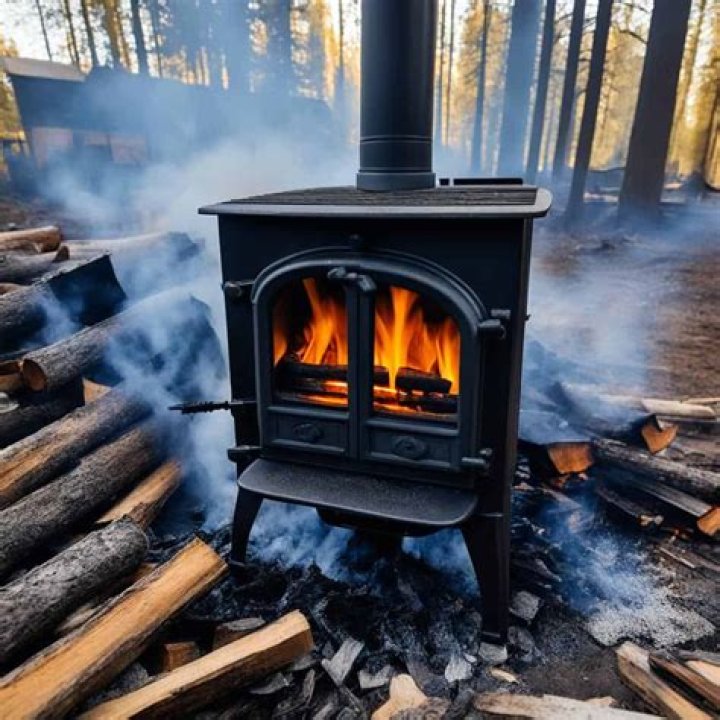
It is one of the higher BTU softwoods. It burns hot and lasts long for a softwood. It is easy to light, splits well and dries quickly. Both of these larches are unique among conifers in that they are deciduous and turn color and shed all their needles in the fall.How do you prune a tamarack tree?
Prune to one central branch and cut off thin and competing stems on young tamarack trees. This will free up essential nutrients to the central branch of the tree. Cut off all suckers, the small vigorous shoots growing from the root or stem of the tree.Are tamarack needles acidic?
Though the tamarack resembles other evergreens, it is actually a deciduous conifer; it sheds its needles every fall. The tamarack grows in cool, moist spots, typically in swamps and in upland soils. It prefers slightly acid soils and is intolerant of shade and air pollution.Why do tamarack trees lose their needles?
Larch trees, also known as tamarack, are not true evergreen trees like pine and fir trees. They are deciduous, meaning in the fall as temperatures change and light decreases, they sequester nutrients from their needles (mostly nitrogen) for storage. As part of this process, the needles turn yellow then drop off.