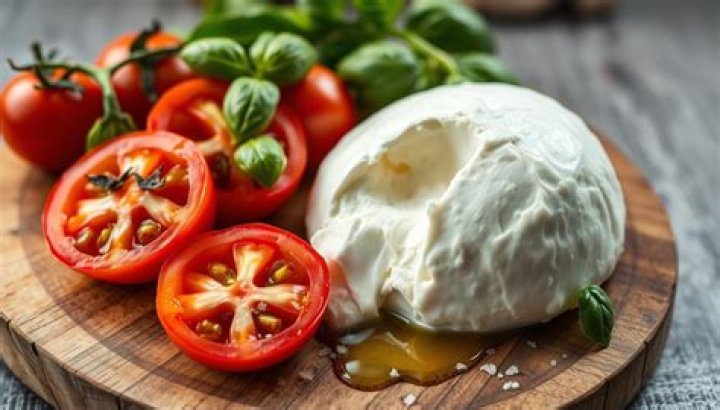
Foods containing polyols
Stone fruits like cherries, peaches, and plums.Mushrooms.Cauliflower.Apples.Apricots.Pears.Nectarines.Green beans (more than 25 beans contain a moderate amount of sorbitol)
Are polyols bad for health?
Are they safe? Sugar replacers (polyols) have been used in foods around the world for many years. An Expert Committee of the World Health Organization has carefully reviewed them and concluded that they are safe for human consumption!
Is Avocado a polyol?
Avocados are particularly high in a polyol called sorbitol, which is a type of sugar alcohol. Sorbitol may cause symptoms in people who are intolerant to it, but this doesn’t mean that everyone with IBS reacts to sorbitol-rich foods.
Are polyols worse than sugar?
Polyols contain fewer calories than ordinary table sugar (0-3 calories per gram vs. 3.75-4 calories per·gram). Some types taste as sweet as table sugar, while others have half its sweetness (1). The latter type are often added to food products to both add bulk and sweetness.
What foods are high in Galactans?
Galactans are found in lentils, chickpeas, broccoli, beans, Brussels sprouts and soy-based products. The most commonly known disaccharide is lactose, which naturally occurs in milk and some dairy products and requires lactase, a digestive enzyme, for absorption.
Do polyols cause diarrhea?
Consuming more than 50 grams of polyols can pull water into the gut, causing loose stools or temporary diarrhea, and that they can stay in your system 12-24 hours.
Do polyols have any health benefits?
Polyols favour saccharolytic anaerobes and aciduric organisms in the colon, purifying the colon of endotoxic, putrefying and pathological organisms, which has clinical relevance. Polyols also contribute towards short-chain organic acid formation for a healthy colonic epithelium.
How do polyols affect the body?
Polyols can induce dose-dependent gastrointestinal symptoms of flatulence, bloating, abdominal discomfort, and laxative effects when consumed in healthy volunteers and patients with IBS.
Can diabetics eat polyols?
Despite the caloric and glycemic differences, polyols are physically similar to sucrose, which allows them to completely or partially replace sugars without sacrificing texture or taste. The unique properties of polyols are ideal for creating reduced-calorie, diabetic foods.
Is banana a FODMAP?
Therefore, ripe bananas are considered a high FODMAP food (6, 7 ). Regardless, you may be able to have up to one-third of a ripe banana at once while following a low FODMAP diet (6). Ripe bananas are high in a type of FODMAP known as oligofructans, but unripe bananas are considered a low FODMAP food.
Is pineapple a FODMAP?
Pineapple, according to Monash University, is low FODMAP in amounts of 1 cup (chopped) at 140 g. Each canned pineapple ring weighs 1 ¼ ounce (35 g) and we use 7 rings in the recipe.
Is Mango a FODMAP?
High-FODMAP fruits include: Apples, apricots, cherries, figs, mangoes, nectarines, peaches, pears, plums and watermelon ( 7 ). Low-FODMAP fruits include: Unripe bananas, blueberries, kiwi, limes, mandarins, oranges, papaya, pineapple, rhubarb and strawberries ( 7 ).
Are polyols bad for your teeth?
They are pretty well documented as being a safe and effective sugar and sweetener alternative. You don’t have to sacrifice delicious sweets in order to keep your teeth healthy. Polyols taste just as delicious as sugar without the harmful tooth decaying effects!
Are polyols good for weight loss?
Polyols do contain carbohydrates but without the high-calorie levels. This is especially important when looking for supplements or diets to help with weight loss. You get to consume the required amounts of carbohydrates without adding the calorie levels. Polyols contain beneficial nutrients and minerals.
Do polyols spike insulin?
Research has shown that all polyols have lower glycaemic and insulinaemic values than both glucose and sucrose. This means that they can be used to help people achieve lower blood glucose and insulin levels – important for everyone, but especially for those with diabetes or hyperinsulinism.
What foods are Galactooligosaccharides?
Galacto-oligosaccharides are prebiotics made up of plant sugars linked in chains. They’re found in dairy products, beans, and certain root vegetables. Prebiotics act as food for “good” bacteria in the intestine. They pass undigested into the colon where they increase bowel mass and promote growth of certain bacteria.
Is corn syrup FODMAP friendly?
Corn syrup is considered low FODMAP because it consists mainly of glucose and it is often called glucose syrup or dextrose (14 16). Glucose syrup is low FODMAP and is considered one of the safest sweeteners we can use.
Is oatmeal low FODMAP?
Description. Oats are Low FODMAP if eaten in small quantities. We like to make hot cooked oatmeal for breakfast, an occasional batch of oatmeal cookies, and this recipe for Low FODMAP Oats with Strawberries.