Kidney stones form when your urine contains more crystal-forming substances — such as calcium, oxalate and uric acid — than the fluid in your urine can dilute. At the same time, your urine may lack substances that prevent crystals from sticking together, creating an ideal environment for kidney stones to form.
What is the main way to prevent kidney stones?
One of the best measures you can take to avoid kidney stones is to drink plenty of water, leading you to urinate a lot. So, be sure to keep well hydrated, especially when engaging in exercise or activities that cause a lot of sweating.
Can you see kidney stones in toilet?
By then, if there was a kidney stone, it should pass from your bladder. Some stones dissolve into sand-like particles and pass right through the strainer. In that case, you won’t ever see a stone. Save any stone that you find in the strainer and bring it to your healthcare provider to look at.
Avoid stone-forming foods: Beets, chocolate, spinach, rhubarb, tea, and most nuts are rich in oxalate, which can contribute to kidney stones. If you suffer from stones, your doctor may advise you to avoid these foods or to consume them in smaller amounts.
How do you get rid of kidney stone pain fast?
10 At-Home Solutions for Kidney Pain
Stay Hydrated. Hydration is key to relieving pain in the kidneys since water will help flush bacteria out of the body. Drink Cranberry Juice. Take Probiotics. Drink Parsley Juice. Take a Warm Epsom Salt Bath. Apply Heat. Use Non-Aspirin Pain Killers.
Staying hydrated is key. Drinking plenty of fluids is a vital part of passing kidney stones and preventing new stones from forming. Water. When passing a stone, upping your water intake can help speed up the process. Lemon juice. Basil juice. Apple cider vinegar. Celery juice. Pomegranate juice. Kidney bean broth.
Can stress cause kidney stones?
Can stress cause kidney stones? Especially when combined with chronic dehydration, stress can trigger the formation of kidney stones. Stress overall can affect your kidneys. Stress can result in high blood pressure and high blood sugar, which can both affect the health of your heart and the kidneys.
Does milk cause kidney stones?
Drinking milk does not cause kidney stones. Salt. If you eat a lot of sodium, which is an ingredient in salt, that raises the amount of calcium in your urine. Once you finish eating, any extra oxalate “sticks” to calcium in the kidneys.
Calcium Oxalate Stones: most common stones
Limiting intake of these foods may be beneficial for people who form calcium oxalate stones which is the leading type of kidney stone. Eat and drink calcium foods such as milk, yogurt, and some cheese and oxalate-rich foods together during a meal.
Does coffee create kidney stones?
Caffeine intake has been shown to be associated with increased urinary calcium excretion (6) and, as such, could potentially increase the risk of developing kidney stones, although in our previous reports we consistently found an inverse association between consumption of caffeine-containing beverages, such as coffee
Is Cranberry Juice Good for kidney stones?
Although cranberry juice can help prevent urinary tract infections (UTIs), it doesn’t help with kidney stones.
Is bottled lemon juice good for kidney stones?
In a recent study conducted by Sur, lemonade therapy – drinking four ounces of reconstituted lemon juice in two liters of water per day – was shown to decrease the rate of stone formation from 1.00 to 0.13 stones per patient.
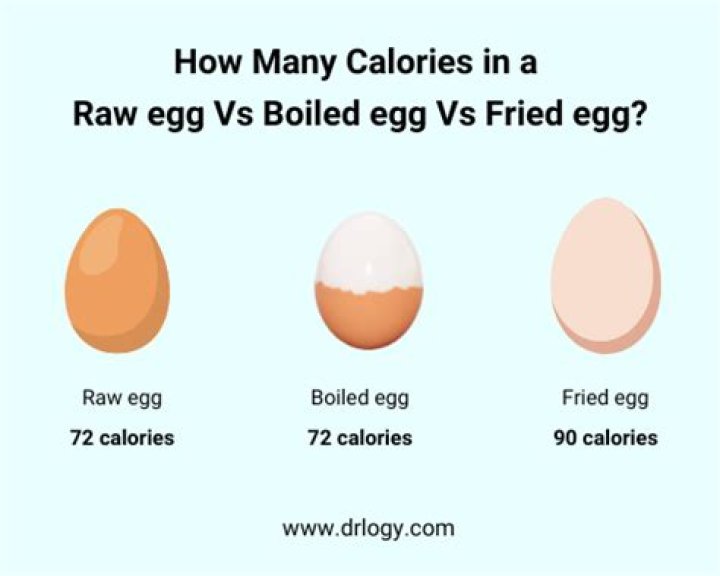
Bananas, peaches, blueberries and strawberries are perfect toppings. More trouble, but no oxalate, eggs any way at all.
Can vitamin D cause kidney stones?
Increased vitamin D levels may prevent a wide range of diseases, according to recent studies. However, some previous studies led to a concern that vitamin D supplementation could increase an individual’s risk of developing kidney stones.
What kind of juice is good for kidney stones?
If you want to vary your fluid intake, Moeding also recommends lemon/lime and orange juices containing citrate, which has been shown to help prevent kidney stone formation. “We recommend half a cup of 100-percent lemon or lime juice daily. Two cups of orange juice will also provide adequate citrate.
Is rice bad for kidney stones?
There are two types of fiber: soluble (dissolves in water) and insoluble. Both provide important functions in the body, but it is insoluble fiber (found in wheat, rye, barley, and rice) that may help to reduce calcium in the urine.
Eat lots of calcium (and vitamin D)
If your calcium intake is low, oxalate levels may rise. It’s preferable to get your calcium from food, rather than from supplements, as these have been linked to kidney stone formation. Good sources of calcium include milk, yogurt, cottage cheese, and other types of cheeses.
Is carrot good for kidney stones?
Vegetables that contain oxalates are not good for your kidney stone diet. Stick to vegetables like broccoli, cauliflower, potatoes, carrots, green beans, tomatoes, kale, cabbage, and lettuce. These vegetables do not contain oxalates and can help you decrease the risk of kidney stones.
What vegetables are good for kidney stones?
Vegetables rich in potassium such as brussels sprouts, broccoli and kale decrease calcium loss and stop kidney stones from forming. These foods also have antioxidant effects that help prevent bladder, prostate and kidney cancers.
How do you melt kidney stones?
Most kidney stones cannot be dissolved. Some 5 percent of kidney stones are made up of uric acid. These may be dissolved by making the urine alkaline. Patients need to take a medicine such as Ural that will make their urine less acidic because this aids the stone to dissolve.