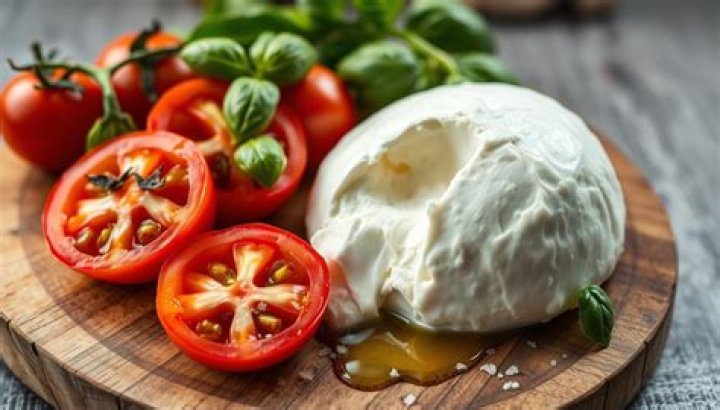
All cow’s milk contains casein, according to HealthLine. Cream, half and half, yogurt and sour cream are other high-protein dairy sources of casein. Ice cream, butter, cheese and pudding also contain it. Foods made with these products — such as cream-based soups, sherbet, pudding and custard — are also casein-rich.
What is casein made of?
Casein is usually made from skim milk (rarely from buttermilk), by one of three methods: (1) naturally soured casein curdles when enough lactic acid develops from fermentation of milk sugar by the ever present bacterium Streptococcus lactisi; (2) acid casein is precipitated by adding dilute hydrochloric acid or
Is there casein in almond milk?
Almond milk does not contain any dairy, lactose, soy, eggs, cholesterol, gluten, MSG, or casein or whey (milk proteins). Almond milk is not safe to drink if you are allergic to almonds. Additionally, some manufacturers may use the same facilities to process products that contain coconut.
Are eggs casein-free?
Eggs are not dairy and do not contain casein. Eggs are allowed. Lactose-free milk is not casein-free. Lactose is the sugar component of milk, casein is the protein component.
Can casein protein make you fat?
Based on the results of these studies at least, pre-bed protein consumption, especially casein, doesn’t appear to ‘make you fat. ‘ Indeed, it appears to actually increase fat metabolism.
Is casein only in cow milk?
Casein is a natural protein that is found in all milk, and many people have difficulty with the Alpha S1 casein found in cow milk and are allergic to cow dairy. Studies have shown that goat milk is very low in Alpha S1 casein and primarily contains Alpha S2 casein.
Is casein good for health?
Casein protein is a high quality, slowly digested protein that supports muscle recovery and growth. It’s also rich in calcium and bioactive peptides that may lower blood pressure and can help keep you feeling fuller for longer.
Does all dairy have casein?
Most dairy products contain casein, but not all. Since casein is a protein, it is found in dairy products that have a higher protein content, such as milk, yogurt, kefir, cheese and ice cream. Dairy products that contain barely any protein, such as butter and cream, only have traces of casein.
What is the difference between casein and whey?
Casein and whey protein are both derived from milk. They differ in digestion times — casein digests slowly, making it good before bedtime, while whey digests quickly and is ideal for workouts and muscle growth. Both contain different bioactive compounds that may boost your immune system and offer other benefits.
Is milk healthy Harvard?
Dairy products like milk, yogurt, cheese, and cottage cheese, are good sources of calcium, which helps maintain bone density and reduces the risk of fractures. Adults up to age 50 need 1,000 milligrams (mg) of calcium per day. Women older than 50 and men older than 70 need 1,200 mg.
Which milk has highest casein?
What’s in our milk? Cow, sheep, and goat milk all have the same ratio of casein to whey protein (80:20). Sheep milk is actually highest in casein and whey, in addition to fat and total solids.
Is casein a protein egg?
Naked Protein contains both whey which is fast digesting, egg which is medium digesting and casein protein which is slow digesting. Get the best of all world’s for optimal workout recovery and a “protein drip” throughout the day or night with a sustained release of amino acids.
Where is casein found naturally?
Casein is one of three types of protein found in milk, the other two being lactalbumins and lactoglobulins. Some processed foods, such as margarine, bread, soy cheeses and baby formula, may have casein added to them. You’ll find casein as a natural component of dairy-based foods such as milk, yogurt and cheeses.