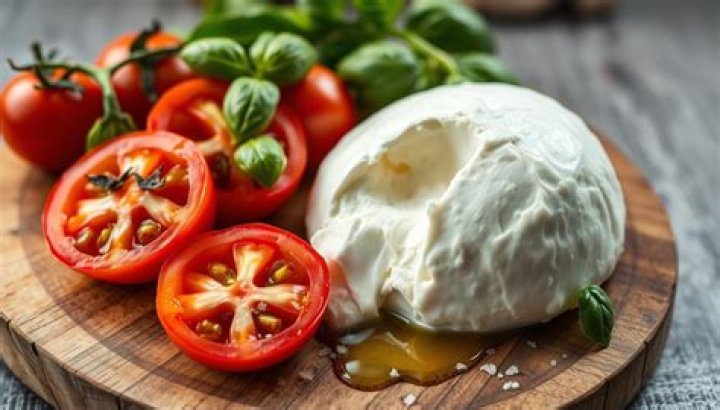
Complete proteins (also called High quality proteins) provide all of the essential amino acids. They are found in animal protein sources (milk, eggs, cheese, meat, fish, poultry). Also Soy or soybean products are considered a complete protein.
What is one example of a complete protein?
A complete protein or whole protein is a food source of protein that contains an adequate proportion of each of the nine essential amino acids necessary in the human diet. Examples of single-source complete proteins are red meat, poultry, fish, eggs, milk, cheese and yogurt.
What are 4 examples of complete proteins?
Complete proteins.
Fish.Poultry (chicken, duck, or turkey)Eggs.Dairy products (milk, yogurt, or cheese, for example)Beef or pork.Soy products, such as tofu and edamame.
Which of the following foods is an example of an incomplete proteins?
Incomplete Protein Foods. According to Harvard Health Publishing, all animal-based foods, including meat, dairy, and eggs, contain complete protein. The majority of plant-based protein sources, such as whole grains, legumes, seeds and nuts, spinach, broccoli, and mushrooms, are incomplete.
Which of the following is a complete vegetable protein?
Tofu, tempeh, and edamame are all derived from whole soybeans and excellent sources of complete protein. A 3-ounce (85-gram) serving of edamame or tofu provides 8 grams of protein, while the same serving of tempeh has 11 grams.
Are beans and potatoes a complete protein?
A vegetarian diet based on any single one or combination of these unprocessed starches (eg, rice, corn, potatoes, beans), with the addition of vegetables and fruits, supplies all the protein, amino acids, essential fats, minerals, and vitamins (with the exception of vitamin B12) necessary for excellent health.
Is peas a complete or incomplete protein?
Pea protein is high in muscle-building branch chain amino acids (BCAA), but it is considered an “incomplete” protein because it is low in methionine and tryptophan.
Are beans and rice a complete protein?
Beans and rice are among the oldest foods known to humankind. Both are easy to grow, plentiful, and filling. The combination of beans and rice creates a complete protein. Beans alone and rice alone both lack certain essential amino acids.
Are legumes complete proteins?
Every time legumes like beans, lentils, and peanuts are combined with grains like wheat, rice, and corn, a complete protein is born. Peanut butter. (2016).
Are beans and bread a complete protein?
By combining complementary proteins — grains, like rice or bread, and plant-based protein sources, like peanuts, peanut butter or beans – you create a complete protein.
Do lentils have complete protein?
Are Lentils a complete protein? No. According to the Cleveland Clinic, you should try to eat a variety of legumes, nuts, seeds and whole grains each day, which will allow you to get all the essential amino acids.
What are partially incomplete proteins?
Partially complete amino acids provide normal maintenance but will not support growth. Some plant foods contain protein, but do not have all the essential amino acids the human body needs. They are called incomplete proteins.
Which of the following foods is an example of an incomplete protein quizlet?
Incomplete: grains, legumes, nuts. Complete: meat, fish, eggs.
Which food is a source of incomplete protein quizlet?
Incomplete proteins are found in most grains, nuts, seeds, nut butters, green peas and legumes (such as lentils, chick peas, black beans, pinto beans and navy beans).
Is wheat a complete or incomplete protein?
Just take it from the FDA: “Grains are low in the amino acid lysine, while beans and nuts (legumes) are low in the amino acid methionine. When grains and legumes are eaten together (such as rice and beans or peanut butter on whole wheat bread), they form a complete protein.”
Is fish a complete protein?
Animal proteins are complete, including meat, poultry, fish, eggs and dairy. There are also a few plant-based sources of complete protein, including: Quinoa.
What is a complete protein quizlet?
A complete protein is a protein that provides all the essential amino acids that your body needs. Complete proteins are usually animal sources of protein, such as meat, fish, poultry, dairy products, and eggs.